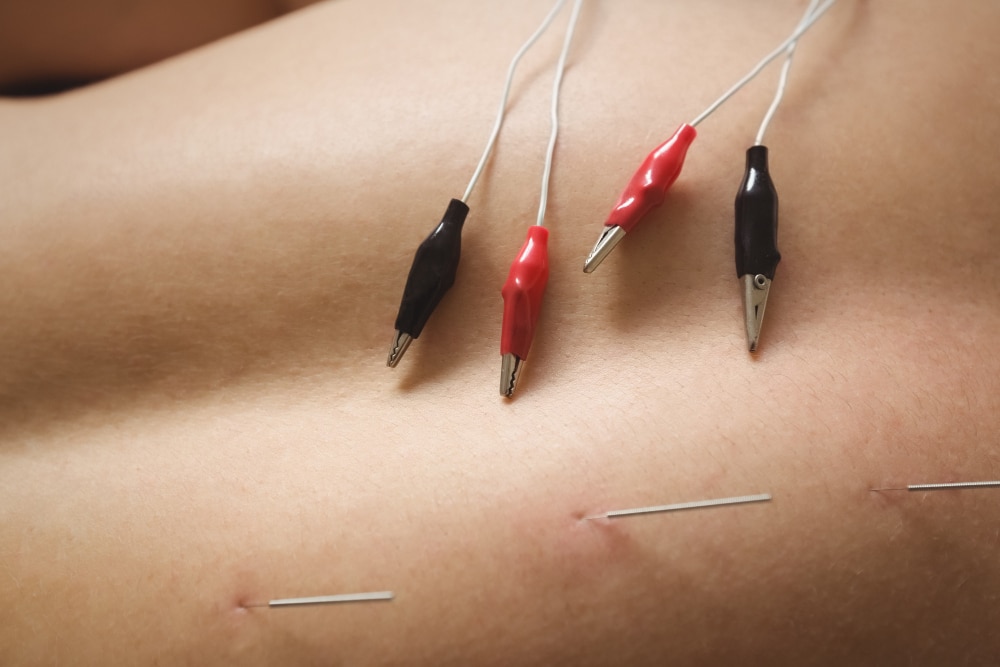
If you’re dealing with ongoing pain or recovery, it’s natural to wonder how often can you use a TENS unit without overdoing it. Finding the right balance between effectiveness and safety is key, especially if you’re relying on TENS therapy as part of your daily routine for pain relief.
How often can you use a tens unit?
If you’re wondering how often can you use a TENS unit, the short answer is: multiple times per day, as long as you’re using it correctly and giving your body time to rest between sessions.
General Usage Guidelines
Most people use a TENS unit:
- 2 to 4 times per day
- With each session lasting 15 to 45 minutes
This range provides effective pain relief without overstimulating the nerves or irritating the skin.
Can You Use It More Frequently?
In some cases—especially with chronic pain—people use a TENS unit more often. This can be safe if:
- Intensity is kept at a comfortable level
- Sessions are spaced out (at least 1–2 hours apart)
- You’re not experiencing skin irritation or sensitivity
Some individuals even use TENS for extended periods under medical guidance.
Why Breaks Matter
Even though TENS is non-invasive, your body can adapt to the stimulation.
- Taking breaks helps maintain effectiveness
- Prevents skin irritation from electrode pads
- Reduces the risk of muscle fatigue
Consistency with rest periods is just as important as the sessions themselves.
Signs You’re Using It Too Often
You may need to cut back if you notice:
- Redness or irritation on the skin
- Decreased pain relief over time
- Discomfort during sessions
Adjusting frequency or duration usually resolves these issues.
Best Approach
The most effective strategy is to:
- Start with 2 sessions per day
- Increase gradually if needed
- Monitor how your body responds
There’s no one-size-fits-all answer, but staying within recommended ranges is the safest way to get consistent results.
How Often to Use a TENS Unit Based on Pain Type?
When figuring out how often can you use a TENS unit, the type of pain you’re dealing with makes a big difference. Different conditions respond better to different frequencies of use, so tailoring your routine can improve results.
Acute Pain (Injuries, Strains, Flare-Ups)
For short-term or sudden pain:
- Frequency: 2–4 times per day
- Session length: 15–20 minutes
- Focus on quick relief during flare-ups
Short, spaced-out sessions help manage inflammation without overstimulation.
Chronic Pain (Back Pain, Arthritis, Long-Term Conditions)
For ongoing pain:
- Frequency: 2–4 times daily (sometimes more if needed)
- Session length: 20–45 minutes
- Consistency is more important than intensity
Regular use helps maintain steady pain control throughout the day.
Nerve Pain (Sciatica, Neuropathy, Pinched Nerves)
Nerve pain often requires a slightly different approach:
- Frequency: 2–3 times per day
- Session length: 30–60 minutes
- Focus on consistent, longer sessions
This type of pain can benefit from extended stimulation to interrupt nerve signals effectively.
Muscle Recovery (Post-Workout or Rehab)
For recovery and muscle support:
- Frequency: 1–2 times per day
- Session length: 15–30 minutes
- Often used after activity
Helps reduce soreness and improve circulation.
Post-Surgical or Rehab Use
If you’re recovering from surgery or working through rehab:
- Frequency: As recommended by your provider (often 2–3 times daily)
- Session length: 20–40 minutes
- Usually part of a structured treatment plan
Key Takeaway
There’s no universal rule for how often can you use a TENS unit—it depends on your condition and goals. The best approach is to match your usage to your pain type, stay consistent, and adjust based on how your body responds.
Read:
The Hidden Risk Nobody Talks About: TENS Tolerance
When discussing how often can you use a TENS unit, one important factor often gets overlooked: TENS tolerance. This happens when your body gradually becomes less responsive to the same level of stimulation, making the device feel less effective over time.
What Is TENS Tolerance?
TENS tolerance occurs when repeated use causes your nervous system to adapt to the electrical stimulation.
- The same settings start to feel weaker
- Pain relief doesn’t last as long
- You may feel tempted to keep increasing intensity
It’s similar to how the body adapts to other forms of stimulation—what worked before may need adjustment later.
Why It Happens
Your nerves and brain are highly adaptable.
- Repeated signals become less noticeable over time
- The body becomes “used to” a specific frequency or pattern
- Continuous use without variation speeds up this process
This is why simply using a TENS unit more often isn’t always better.
Signs You’re Developing Tolerance
- You need higher intensity to feel the same effect
- Relief is shorter-lived than before
- Sessions feel less impactful, even with proper placement
If you notice these signs, it’s time to adjust your approach.
How to Prevent Tolerance
You don’t need to stop using TENS—you just need to use it smarter.
- Change modes or programs (if your device allows it)
- Adjust frequency or pulse settings
- Rotate electrode placement slightly
- Take breaks between sessions
Even small variations can help “reset” your body’s response.
Should You Take a Break?
If tolerance becomes noticeable, taking a short break (a day or two) can help restore sensitivity. After that, reintroducing TENS with different settings often improves results.
The Bottom Line
TENS is effective, but more isn’t always better. Understanding tolerance is key to answering how often can you use a TENS unit without reducing its benefits. A balanced, varied approach will keep your sessions effective over the long term.
Active vs. Passive TENS: Why Timing Your Sessions Matters?
When thinking about how often can you use a TENS unit, when you use it can be just as important as how often. Timing your sessions around activity vs. rest can significantly impact how effective your pain relief is.
What Is Passive TENS?
Passive TENS refers to using the device while you’re at rest.
- Sitting, lying down, or relaxing
- Minimal movement during the session
- Focused purely on pain relief
This is the most common way people use TENS.
Best for:
- End-of-day pain relief
- Flare-ups or sharp discomfort
- Relaxing tight muscles before sleep
What Is Active TENS?
Active TENS involves using the device while moving or during activity.
- Walking, light exercise, or daily tasks
- Helps you stay functional despite pain
- Often used at lower, comfortable intensities
Best for:
- Managing pain during work or movement
- Supporting physical therapy or rehab
- Preventing pain from limiting activity
Why Timing Matters
Using TENS strategically can improve results without increasing total usage.
- Before activity: Helps loosen muscles and reduce pain
- During activity: Maintains function and mobility
- After activity: Reduces soreness and inflammation
Instead of just asking how often can you use a TENS unit, it’s smarter to think in terms of when you need relief most.
Avoid Overlapping Sessions
Even with active use, avoid running sessions back-to-back without breaks.
- Give your skin and nerves time to reset
- Prevent irritation and tolerance
- Keep each session effective
Smart Usage Strategy
A balanced approach might look like:
- One session in the morning (prep for the day)
- One during or after activity
- One in the evening for recovery
Final Insight
The effectiveness of TENS isn’t just about frequency—it’s about timing. By aligning sessions with your daily routine, you can get better results without overusing the device.
Also read:
Signs You Are Overusing Your TENS Unit
While it’s helpful to know how often can you use a TENS unit, it’s just as important to recognize when you might be using it too much. Overuse doesn’t just reduce effectiveness—it can also lead to discomfort and setbacks.
Skin Irritation or Burns
Your skin is usually the first place signs show up.
- Persistent redness or rash
- Itching or burning sensation
- Sensitive or peeling skin under the pads
Mild redness is normal, but anything lasting longer than a few hours is a warning sign.
Decreasing Pain Relief
If your sessions feel less effective over time:
- Relief doesn’t last as long
- You need higher intensity to feel anything
- Pain returns quickly after each session
This often points to TENS tolerance or overstimulation.
Muscle Fatigue or Soreness
Using high intensity or long sessions can overwork muscles.
- Aching or heavy feeling in treated area
- Unusual soreness after sessions
- Increased sensitivity
This is more common if you’re using stronger settings frequently.
Tingling Turns Uncomfortable
TENS should feel like a strong but comfortable tingling.
- Sharp or unpleasant sensations
- Discomfort that builds during sessions
- Needing to stop sessions early
These are signs you may need to reduce usage or intensity.
You’re Using It Constantly Without Breaks
If you find yourself relying on TENS all day:
- Back-to-back sessions with no rest
- Wearing it for extended periods without breaks
- Using it out of habit rather than need
This increases the risk of reduced effectiveness and irritation.
What to Do If You’re Overusing It
- Cut back to 2–4 sessions per day
- Shorten session duration
- Rotate electrode placement
- Take a day off if needed to reset sensitivity
Bottom Line
More isn’t always better. Recognizing these signs early helps you stay within safe limits and get the most out of your device. A balanced approach is the key to long-term relief.
When to Take a Break from TENS Therapy?
Understanding how often can you use a TENS unit also means knowing when to pause. Breaks aren’t a setback—they’re part of using TENS effectively and safely over time.
When You Notice Skin Irritation
Your skin needs time to recover if you see:
- Redness that lasts more than a few hours
- Itching, rash, or sensitivity
- Discomfort when reapplying pads
Taking a break for 24–48 hours and rotating pad placement can prevent further irritation.
When the Device Feels Less Effective
If pain relief starts to fade:
- Sessions don’t feel as strong
- Relief doesn’t last as long
- You’re increasing intensity more than usual
This may be TENS tolerance, and a short break can help “reset” your response.
After Multiple Daily Sessions
Even if everything feels fine, your body benefits from rest.
- Avoid back-to-back sessions without gaps
- Space sessions at least 1–2 hours apart
- Consider a lighter day after heavy use
When Muscles Feel Fatigued
If the treated area feels overworked:
- Soreness or heaviness
- Increased sensitivity
- Reduced comfort during sessions
Take a day off or reduce session intensity and duration.
During Healing Plateaus
If you’re no longer improving:
- Pain levels stay the same despite regular use
- Progress feels stalled
Pausing TENS and focusing on other therapies (like stretching or rehab) can help move things forward.
As Part of a Long-Term Routine
For regular users, planned breaks can help maintain effectiveness.
- Take 1–2 days off per week if using daily
- Alternate with other pain management strategies
- Reintroduce TENS with adjusted settings
The Bottom Line
Breaks aren’t about stopping—they’re about optimizing. Knowing when to step back is key to getting consistent results and answering how often can you use a TENS unit in a safe, sustainable way.
Who Should NOT Use a TENS Unit Daily?
While many people benefit from regular use, the question how often can you use a TENS unit doesn’t have the same answer for everyone. In some cases, daily use isn’t recommended or should only be done under medical guidance.
People With Implanted Medical Devices
If you have a pacemaker, defibrillator, or other implanted electronic device, daily TENS use can interfere with its function.
- Electrical signals may disrupt device performance
- Always consult a doctor before using TENS at all
Pregnant Individuals (Certain Areas)
TENS is sometimes used during labor, but daily use during pregnancy—especially on the abdomen or lower back—is not generally recommended without medical advice.
Those With Sensitive or Easily Irritated Skin
If your skin reacts quickly:
- Frequent use may cause rashes, irritation, or discomfort
- Daily sessions could worsen skin sensitivity over time
In these cases, spacing out sessions is safer.
People With Reduced Sensation
Conditions that affect sensation (like neuropathy) can make it harder to gauge intensity.
- Risk of using settings that are too strong
- Increased chance of skin irritation or injury
Monitoring use closely is essential.
Individuals With Certain Medical Conditions
You should be cautious with daily use if you have:
- Epilepsy (especially when using TENS near the neck/head)
- Heart conditions
- Circulatory disorders
Medical guidance is strongly recommended in these situations.
Those Experiencing Negative Side Effects
If daily use leads to:
- Increased pain
- Muscle fatigue
- Reduced effectiveness (tolerance)
It’s a sign you may need to cut back rather than continue daily sessions.
When Daily Use Is Appropriate
For many others—especially those with chronic pain—daily use is safe when:
- Sessions are properly spaced
- Skin is monitored
- Intensity is kept at a comfortable level
Bottom Line
While TENS is generally safe, daily use isn’t ideal for everyone. Understanding your body and any underlying conditions is key to determining how often can you use a TENS unit safely and effectively.
Suggested:
FAQ
How often can you use a TENS unit in one day?
Most people can safely use a TENS unit 2 to 4 times per day, with sessions lasting 15 to 45 minutes. This provides effective relief while avoiding overstimulation.
Can you use a TENS unit every day?
Yes, many people use it daily—especially for chronic pain. Just be sure to rotate pad placement, monitor your skin, and take breaks when needed.
Is it okay to use a TENS unit multiple times in a row?
It’s better to space sessions at least 1–2 hours apart. Back-to-back use can increase the risk of skin irritation and reduce effectiveness.
Can you overuse a TENS unit?
Yes. Overuse can lead to skin irritation, muscle fatigue, and reduced pain relief (tolerance). More isn’t always better.
How long should you wait between TENS sessions?
A good rule is to wait at least 1 hour, though 1–2 hours is ideal for most people to allow your body to reset.
Can I use a TENS unit all day?
Continuous, all-day use is not recommended unless advised by a healthcare professional. It’s better to use structured sessions with breaks.
What happens if you use a TENS unit too often?
You may notice less effective pain relief, skin irritation, or discomfort. If that happens, reduce frequency or take a short break.
Conclusion
So, how often can you use a TENS unit? For most people, the sweet spot is 2 to 4 sessions per day, with enough time between each session to let your body reset. This approach helps you get consistent pain relief without running into issues like skin irritation or reduced effectiveness.
The key isn’t just frequency—it’s balance. Paying attention to your body, adjusting based on your pain type, and taking breaks when needed will always give you better results than simply using it more often.
Used correctly, a TENS unit can be a reliable, drug-free tool for daily pain management. Just remember: smart, consistent use will always outperform overuse.