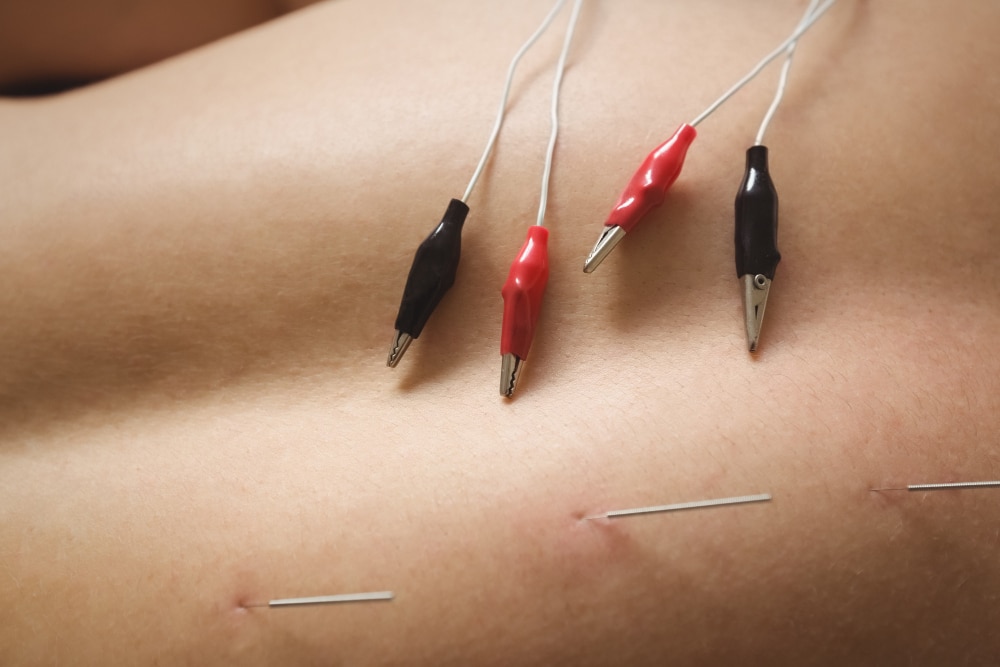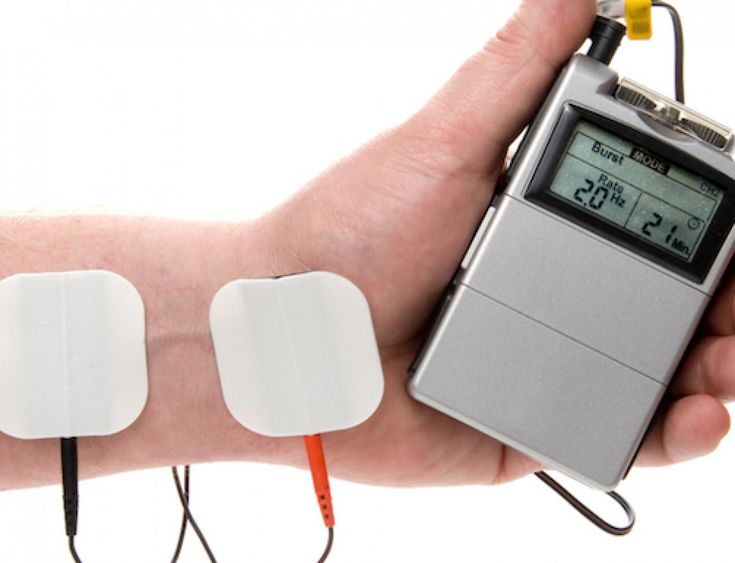
When it comes to managing pain with electrotherapy, one of the most common questions people ask is: how long should you use a TENS unit for the best results? Whether you’re dealing with chronic discomfort, muscle soreness, or injury recovery, understanding the right duration and frequency can make a significant difference in both safety and effectiveness.
How long should you use a tens unit?
If you’re wondering how long should you use a TENS unit, the answer depends on your pain level, condition, and how your body responds to the therapy. However, there are general guidelines that most users and healthcare professionals follow.
Typical Session Duration
Most TENS unit sessions last between 15 to 30 minutes. This is usually enough time to stimulate nerves, reduce pain signals, and promote endorphin release without overstimulating the area.
For more persistent pain, some people extend sessions up to 45–60 minutes, especially if advised by a medical professional.
How Often Can You Use It?
You can typically use a TENS unit 2 to 4 times per day, depending on your needs. Some users space out sessions throughout the day to maintain consistent pain relief.
If you’re dealing with chronic pain, regular use may provide better long-term results than occasional sessions.
Can You Use It Too Much?
Yes, overuse can reduce effectiveness or cause mild skin irritation. Using a TENS unit for too long in one session may lead to:
- Skin sensitivity or redness
- Muscle fatigue
- Reduced response over time
It’s best to give your body breaks between sessions to avoid overstimulation.
Signs You’re Using It the Right Way
You’re likely on the right track if:
- You feel a noticeable reduction in pain during or after sessions
- The sensation is strong but comfortable—not painful
- Your skin shows no signs of irritation
When to Adjust Your Usage
If you’re not getting results, consider adjusting:
- Session length (slightly longer or shorter)
- Intensity level
- Electrode placement
Sometimes small changes can make a big difference in effectiveness.
How Long to Use a TENS Unit for Acute Pain?
When dealing with short-term injuries or sudden discomfort, many people ask how long should you use a TENS unit for acute pain specifically. The goal here is fast relief without overusing the device.
Recommended Session Length
For acute pain, TENS sessions typically last 15 to 20 minutes. This shorter duration is often enough to interrupt pain signals and provide noticeable relief without irritating sensitive or inflamed areas.
How Often Should You Use It?
You can use the TENS unit up to 3–4 times a day, depending on the severity of the pain. Spacing sessions a few hours apart helps maintain relief throughout the day while giving your skin time to rest.
When to Use It During the Day
TENS can be especially helpful:
- Right after an injury (once approved, not on open wounds)
- During pain flare-ups
- Before or after physical activity
- In the evening to ease discomfort before rest
Tips for Better Results
- Start with a lower intensity and increase gradually
- Avoid placing pads directly on swollen or broken skin
- Keep sessions consistent for a few days to assess effectiveness
When to Stop or Adjust
If pain worsens, skin becomes irritated, or you don’t notice improvement after several sessions, it may be time to adjust your approach or consult a healthcare provider.
For acute pain, consistency and moderation are key. Short, repeated sessions tend to work better than one long session.
Read:
How Long to Use a TENS Unit for Chronic Pain?
If you’re managing ongoing discomfort, you’re probably wondering how long should you use a TENS unit for chronic pain to get consistent relief. Unlike acute pain, chronic conditions often require a more flexible and sustained approach.
Recommended Session Length
For chronic pain, sessions typically range from 20 to 45 minutes. Some users may benefit from longer sessions—up to 60 minutes—especially if the pain is persistent and widespread.
The key is to find a duration that provides relief without causing skin irritation or sensitivity.
How Often Can You Use It?
TENS units can be used multiple times a day, often 2 to 4 sessions daily. In some cases, people with severe chronic pain use it even more frequently, as long as the intensity is comfortable and the skin is monitored.
Can You Use It Daily Long-Term?
Yes, many people use TENS units daily for weeks or even months. However, it’s important to:
- Rotate electrode pad placement to protect the skin
- Take short breaks between sessions
- Adjust intensity to avoid overstimulation
Consistency is often more effective than increasing intensity or duration.
What Works Best for Chronic Pain
For long-term conditions, users often find better results by:
- Using the TENS unit at the same times each day
- Combining it with other treatments (stretching, physical therapy, or medication if needed)
- Gradually adjusting settings based on how the body responds
When to Reevaluate Your Routine
If the TENS unit becomes less effective over time, you may need to:
- Change the program or pulse settings
- Reposition the electrodes
- Slightly adjust session length
Chronic pain management is rarely one-size-fits-all, so small tweaks can make a noticeable difference.
Also read:
TENS Duration by Condition: A PT’s Quick Reference Guide
If you’re still wondering how long should you use a TENS unit, it often comes down to the type of pain or condition you’re treating. Physical therapists typically adjust session length and frequency based on the specific issue, rather than using a one-size-fits-all approach.
Muscle Soreness (Post-Workout or Mild Strain)
- Duration: 15–20 minutes
- Frequency: 1–2 times per day
- Helps reduce soreness and improve recovery without overstimulating the muscles
Acute Injuries (Sprains, Strains, Minor Trauma)
- Duration: 15–20 minutes
- Frequency: Up to 3–4 times daily
- Short, consistent sessions are best during the early stages of healing
Chronic Back or Neck Pain
- Duration: 20–45 minutes
- Frequency: 2–3 times per day
- Longer sessions can help maintain steady pain relief throughout the day
Arthritis and Joint Pain
- Duration: 20–30 minutes
- Frequency: 2–4 times daily
- Regular use may help reduce stiffness and improve mobility
Nerve Pain (Sciatica, Neuropathy)
- Duration: 30–60 minutes
- Frequency: 1–3 times per day
- Often requires longer sessions for deeper, more persistent discomfort
Post-Surgical Recovery
- Duration: 20–40 minutes
- Frequency: As recommended by a healthcare provider
- Used as part of a structured rehab plan for pain control and recovery
Key Takeaway
There’s no universal answer to how long should you use a TENS unit—it depends on your condition, tolerance, and goals. The most effective approach is to start within recommended ranges, monitor your response, and adjust as needed.
Related:
Signs You Are Using Your TENS Unit for Too Long
Understanding how long should you use a TENS unit isn’t just about maximizing results—it’s also about avoiding overuse. While TENS therapy is generally safe, using it for too long or too frequently can reduce effectiveness and cause unwanted side effects.
Skin Irritation or Redness
One of the most common signs of overuse is skin irritation where the electrode pads are placed.
- Redness that doesn’t fade quickly
- Itching or mild burning sensation
- Increased sensitivity in the area
If this happens, it’s a good idea to shorten your sessions and rotate pad placement.
Decreased Effectiveness Over Time
If your TENS unit seems to stop working as well, overuse could be the reason.
- Pain relief becomes shorter-lived
- You need higher intensity to feel the same effect
- Sessions feel less impactful than before
Taking breaks between sessions can help your body stay responsive to the therapy.
Muscle Fatigue or Discomfort
Using the device too long—especially at higher intensities—can lead to:
- Muscle soreness
- Twitching or fatigue
- A heavy or overworked feeling in the treated area
This is more common when using strong settings or extended session times.
Tingling Turns Into Discomfort
A proper TENS session should feel like a strong but comfortable tingling. If it becomes sharp, uncomfortable, or unpleasant, it may be a sign you’ve exceeded the ideal duration or intensity.
You’re Using It Constantly Without Breaks
While it might be tempting to keep the device on for continuous relief, non-stop use isn’t recommended. Your body needs time between sessions to respond effectively.
What to Do Instead
If you notice any of these signs:
- Shorten your sessions (e.g., from 45 minutes to 20–30 minutes)
- Lower the intensity slightly
- Space out sessions throughout the day
- Give your skin time to recover
Finding the right balance is key. The goal is consistent relief—not maximum usage.
How to Get the Most Out of Each Session?
If you’re trying to figure out how long should you use a TENS unit, it’s just as important to focus on how you use it. A well-optimized session can deliver better results in less time, making each treatment more effective and comfortable.
Place Electrodes Correctly
Pad placement can make or break your results.
- Position electrodes around or near the pain area, not directly on bones or joints
- Follow recommended placement guides for specific conditions
- Keep pads evenly spaced for balanced stimulation
Even small adjustments in placement can significantly improve pain relief.
Start Low, Then Increase Gradually
Always begin with a low intensity and slowly increase it.
- Aim for a strong but comfortable tingling sensation
- Avoid jumping to high settings too quickly
- Adjust based on your comfort level, not just maximum power
Higher intensity doesn’t always mean better results.
Stick to the Right Session Length
Using the device longer doesn’t guarantee better outcomes. Stay within recommended ranges:
- 15–30 minutes for mild or acute pain
- 20–45 minutes for chronic conditions
This helps prevent overstimulation while still delivering effective relief.
Stay Consistent
Consistency often matters more than duration.
- Use your TENS unit at regular times each day
- Build it into your routine (morning, post-work, or before bed)
- Track what works best for your body
Regular sessions tend to produce more stable, long-term results.
Keep Your Skin and Pads in Good Condition
Well-maintained equipment improves both comfort and effectiveness.
- Clean and dry your skin before use
- Replace worn-out electrode pads
- Rotate pad placement to avoid irritation
Good contact ensures proper electrical flow.
Combine with Other Therapies
TENS works best as part of a broader plan.
- Pair it with stretching or physical therapy
- Use it before activity to loosen muscles or after to reduce soreness
- Follow any guidance from your healthcare provider
Pay Attention to Your Body
Your body gives clear feedback—use it.
- If something feels off, adjust intensity or placement
- If results plateau, try changing session timing or duration
- Stop if you experience pain or irritation
The more you fine-tune your approach, the better your outcomes will be.
When Should You Stop Using a TENS Unit Altogether?
While understanding how long should you use a TENS unit is important, it’s equally crucial to know when to stop using it entirely. TENS therapy is generally safe, but there are situations where continuing use may not be helpful—or could even be harmful.
When Your Pain Has Resolved
If your pain has significantly improved or disappeared, there’s usually no need to continue regular use.
- Occasional use is fine for flare-ups
- Daily use may no longer be necessary
- Overuse without need can reduce effectiveness over time
If You Experience Persistent Skin Reactions
Mild redness is normal, but ongoing irritation is not.
- Rash, swelling, or prolonged sensitivity
- Skin that becomes painful to touch
- Reactions that worsen with each session
If this happens, stop use and allow your skin to fully recover before considering restarting.
When It Stops Working
If you no longer feel relief despite proper use:
- Your body may have adapted to the stimulation
- The condition may require a different treatment approach
- Electrode placement or settings may no longer be effective
At this point, it’s worth reassessing rather than continuing ineffective sessions.
If Pain Gets Worse
TENS should reduce discomfort—not increase it.
- Sharp or unusual pain during use
- Increased soreness after sessions
- Worsening of the original condition
Stop immediately and consult a healthcare professional if this occurs.
If You Develop a New or Undiagnosed Condition
If your pain changes in nature or intensity:
- New areas of pain appear
- Symptoms become more severe or unusual
- You’re unsure of the underlying cause
It’s best to pause TENS use until you understand what’s going on.
Medical or Safety Concerns
You should stop using a TENS unit and seek medical advice if:
- You have a pacemaker or implanted device (unless approved by a doctor)
- You’re pregnant (especially around the abdomen or lower back)
- You have certain neurological or heart conditions
The Bottom Line
TENS units are a helpful tool—but not a permanent solution for every situation. Knowing when to stop is part of using the device responsibly. If something feels off, or if you’re no longer seeing benefits, it’s better to reassess than to continue out of habit.
FAQ
How long should you use a TENS unit each day?
If you’re wondering how long should you use a TENS unit, most people benefit from 15 to 45 minutes per session, up to 2–4 times per day. The exact duration depends on your condition and how your body responds.
Can you use a TENS unit for too long?
Yes, using a TENS unit for too long can lead to skin irritation, muscle fatigue, or reduced effectiveness. It’s best to stick within recommended session times and take breaks between uses.
Is it safe to use a TENS unit every day?
For many people, daily use is safe—especially for chronic pain. Just make sure to rotate electrode placement and monitor your skin to avoid irritation.
Should you use a TENS unit longer for more pain relief?
Not necessarily. Longer sessions don’t always mean better results. In fact, shorter, consistent sessions are often more effective than extended use.
How quickly does a TENS unit start working?
Some users feel relief within minutes, while others may need several sessions to notice consistent improvement. It varies depending on the type and severity of pain.
Can you fall asleep with a TENS unit on?
It’s generally not recommended to sleep with a TENS unit on, as you won’t be able to adjust intensity or respond to discomfort during use.
What happens if you stop using a TENS unit?
If you stop using it, the pain relief may gradually wear off, especially for chronic conditions. TENS manages symptoms but doesn’t cure the underlying issue.
Conclusion
So, how long should you use a TENS unit? The answer ultimately depends on your specific condition, pain level, and how your body responds to treatment. For most people, sessions between 15 to 45 minutes, repeated a few times per day, strike the right balance between effectiveness and safety.
The key isn’t just duration—it’s consistency, proper usage, and paying attention to your body. Whether you’re managing acute pain or a long-term condition, using a TENS unit thoughtfully will always deliver better results than simply using it longer.
By following recommended guidelines and adjusting based on your needs, you can make TENS therapy a reliable, drug-free tool for ongoing pain relief and recovery.