
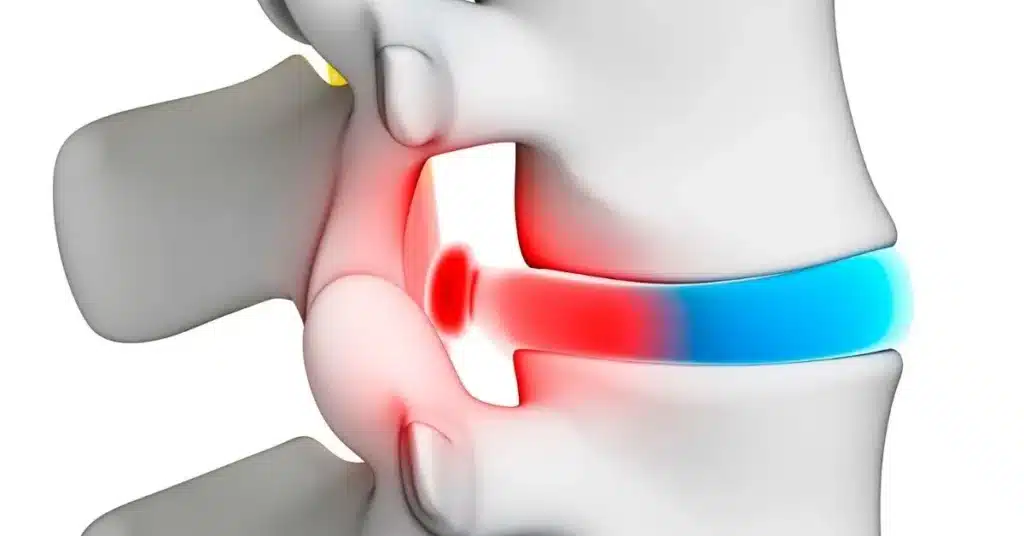
If you’re dealing with sharp, radiating pain or tingling from a compressed nerve, it’s natural to ask: will a TENS unit help a pinched nerve? Many people turn to TENS therapy as a drug-free way to manage nerve-related discomfort, and in many cases, it can provide noticeable relief by interrupting pain signals and promoting the release of endorphins.
What Is a Pinched Nerve? (And Why the Location Matters)
Before answering will a TENS unit help a pinched nerve, it’s important to understand what a pinched nerve actually is—and why its location can make a big difference in your symptoms and treatment approach.
What Is a Pinched Nerve?
A pinched nerve occurs when surrounding tissues put pressure on a nerve, disrupting its normal function. This pressure can come from:
- Herniated or bulging discs
- Bone spurs
- Tight muscles
- Inflamed joints or tendons
When a nerve is compressed, it can’t transmit signals properly, which leads to symptoms like pain, tingling, numbness, or weakness.
Common Symptoms to Watch For
Depending on the severity, a pinched nerve can cause:
- Sharp or burning pain
- “Pins and needles” sensation
- Numbness in the affected area
- Muscle weakness
These symptoms often radiate along the nerve path, not just at the source of compression.
Why Location Matters
The location of the pinched nerve plays a huge role in how it feels and how it should be treated.
- Neck (Cervical spine): Pain may travel into the shoulders, arms, or hands
- Lower back (Lumbar spine): Can cause sciatica, with pain radiating down the leg
- Wrist (Carpal tunnel): Leads to numbness and tingling in the fingers
- Elbow or shoulder: May affect grip strength and arm movement
Because symptoms follow nerve pathways, the best treatment approach—including TENS placement—depends on the exact location of the compression.
Why This Matters for TENS Therapy
When asking will a TENS unit help a pinched nerve, the answer often depends on where the nerve is affected. Proper electrode placement and targeting the right area are key to getting relief.
In many cases, treating along the nerve path, rather than just the point of pain, can improve results.
Read:
How Does a TENS Unit Work on Nerve Pain?
To better understand will a TENS unit help a pinched nerve, it helps to look at how this therapy actually interacts with nerve pain. TENS (Transcutaneous Electrical Nerve Stimulation) doesn’t fix the underlying compression—but it can make the symptoms much more manageable.
Blocking Pain Signals
One of the main ways a TENS unit works is by interrupting pain signals before they reach the brain.
- The device sends low-voltage electrical impulses through the skin
- These signals “compete” with pain signals traveling along the nerve
- As a result, the brain receives fewer pain messages
This is often referred to as the “gate control theory” of pain relief.
Stimulating Natural Painkillers
TENS therapy can also encourage the body to release endorphins, which are natural pain-relieving chemicals.
- Endorphins help reduce how intensely pain is felt
- This effect can last even after the session ends
- It’s one reason some users feel ongoing relief with regular use
Reducing Muscle Tension Around the Nerve
In many cases, a pinched nerve is made worse by tight surrounding muscles. TENS can help by:
- Promoting muscle relaxation
- Improving local blood flow
- Reducing pressure on the affected nerve
This indirect effect can make a noticeable difference, especially in areas like the neck or lower back.
Why It Works Better for Some People
When asking will a TENS unit help a pinched nerve, results can vary. It tends to work best when:
- Pain is mild to moderate, not severe nerve damage
- The device is used consistently
- Electrodes are placed correctly along the nerve pathway
What TENS Can’t Do
It’s important to be realistic—TENS therapy:
- Does not “unpinch” the nerve
- Doesn’t treat structural issues like herniated discs
- Works primarily as a symptom management tool
That said, for many people, reducing pain is a big step toward staying active and supporting recovery.
Also read:
Will a tens unit help a pinched nerve? What the Evidence Says
The big question remains: will a TENS unit help a pinched nerve, or is it just temporary relief? The answer lies somewhere in the middle—TENS is not a cure, but there is meaningful evidence that it can help manage nerve-related pain.
What Research Suggests
Clinical studies on TENS therapy show mixed but generally positive results, especially for nerve-related and musculoskeletal pain.
- TENS has been found to reduce pain intensity in conditions like sciatica and lower back pain
- Some studies suggest it can improve short-term function and mobility
- It appears most effective when used consistently and at appropriate intensity levels
However, results can vary depending on the cause of the pinched nerve and how the device is used.
Where TENS Shows the Most Benefit
TENS tends to be more effective for:
- Mild to moderate nerve compression
- Conditions involving muscle tension around the nerve
- Situations where pain relief helps maintain movement and activity
In these cases, it can play a valuable role in a broader treatment plan.
Limitations of the Evidence
While many users report relief, research also highlights a few limitations:
- Effects are often short-term rather than permanent
- Not all studies show significant improvement compared to placebo
- It doesn’t address the underlying structural cause of the nerve compression
So while the answer to will a TENS unit help a pinched nerve is often “yes,” it comes with realistic expectations.
Real-World Takeaway
In practice, many people find TENS helpful as part of a multi-approach strategy that may include:
- Physical therapy
- Stretching and posture correction
- Anti-inflammatory treatments
- Lifestyle adjustments
Bottom Line
The evidence suggests that TENS can be a useful, low-risk tool for managing pinched nerve pain, especially when used correctly and consistently. It’s not a standalone fix—but for symptom relief, it can make day-to-day life significantly more comfortable.
TENS for Pinched Nerve by Location: A PT’s Clinical Guide
When asking will a TENS unit help a pinched nerve, one of the most important factors is where the nerve is compressed. In physical therapy, electrode placement and session strategy are often tailored to the specific location of the issue for better results.
Neck (Cervical Pinched Nerve)
Pain from the neck often radiates into the shoulders, arms, or hands.
- Pad placement: Along the sides of the neck and upper shoulders (not directly on the spine)
- Session length: 20–30 minutes
- Best for: Reducing radiating arm pain and muscle tightness
TENS can help relax tight muscles that may be contributing to nerve compression.
Lower Back (Lumbar / Sciatica)
This is one of the most common types of pinched nerves, often causing pain down the leg.
- Pad placement: Lower back on either side of the spine or along the path of the sciatic nerve
- Session length: 30–45 minutes
- Best for: Sciatica, radiating leg pain, and lower back tension
Some users get better results by placing pads both at the source (lower back) and along the pain pathway.
Shoulder or Upper Back
Pinched nerves in this area can affect arm movement and cause localized or radiating discomfort.
- Pad placement: Around the shoulder blade or upper back muscles
- Session length: 20–30 minutes
- Best for: Muscle-related compression and posture-related pain
Wrist (Carpal Tunnel Syndrome)
Compression of the median nerve can cause numbness and tingling in the hand.
- Pad placement: Near the wrist and forearm (not directly over the carpal tunnel)
- Session length: 15–20 minutes
- Best for: Mild to moderate nerve irritation
Elbow (Cubital Tunnel Syndrome)
This affects the ulnar nerve and may cause tingling in the ring and pinky fingers.
- Pad placement: Above and below the elbow along the nerve path
- Session length: 15–25 minutes
- Best for: Nerve irritation from repetitive strain
Key Clinical Tip
In many cases, TENS works best when you treat along the nerve pathway, not just where the pain is strongest. This approach aligns with how nerve signals travel and can improve overall relief.
Final Insight
So, will a TENS unit help a pinched nerve? It often can—but correct placement and condition-specific use make all the difference. A targeted approach, like the one used in physical therapy, can significantly improve your results.
Recommended TENS Settings for Pinched Nerve Pain
If you’re wondering will a TENS unit help a pinched nerve, the answer often depends on how you use it. The right settings can make a noticeable difference in how much relief you get from each session.
Start with the Right Mode
Most TENS units offer different modes or presets. For nerve pain:
- Choose conventional TENS (high-frequency mode) for immediate pain relief
- Use burst or modulation modes if your device offers them for longer-lasting effects
These modes are designed to target nerve signals more effectively.
Frequency (Hz): Go Higher for Nerve Pain
For pinched nerves, higher frequencies are typically more effective.
- 80–120 Hz is a common starting range
- Helps block pain signals quickly
- Often feels like a steady, comfortable tingling
Lower frequencies may be used later, but high-frequency TENS is usually preferred for nerve-related pain.
Pulse Width (μs): Moderate Range Works Best
Pulse width controls how deep the stimulation goes.
- Aim for 100–200 microseconds (μs)
- Provides a balance between comfort and effectiveness
- Wider pulses may feel stronger but aren’t always necessary
Intensity: Strong but Comfortable
This is one of the most important factors.
- Increase intensity until you feel a strong tingling sensation
- It should never feel sharp or painful
- Slight muscle twitching can be okay, but not required
Consistency at the right intensity often matters more than maxing it out.
Session Duration
- 20–40 minutes per session is ideal for most cases
- Can be repeated 2–3 times daily depending on pain level
This aligns with general guidelines for those asking how long should you use a TENS unit for nerve pain.
Adjust Based on Your Response
There’s no perfect setting for everyone. You may need to:
- Slightly increase or decrease frequency
- Adjust pad placement along the nerve path
- Try different modes to avoid adaptation
Quick Setup Example
For a typical pinched nerve session:
- Mode: Conventional TENS
- Frequency: 100 Hz
- Pulse width: 150 μs
- Duration: 30 minutes
- Intensity: Strong but comfortable
Final Tip
The key to answering will a TENS unit help a pinched nerve often comes down to proper setup. Even small adjustments in settings can turn a weak session into an effective one.
When TENS Is Not Enough: Red Flags That Require a Doctor
While many people ask will a TENS unit help a pinched nerve, it’s important to recognize when pain relief tools like TENS aren’t enough—and when it’s time to seek medical attention.
Persistent or Worsening Pain
If your pain doesn’t improve after consistent TENS use—or gets worse—it may signal a more serious issue.
- Pain lasting several weeks without improvement
- Increasing intensity despite treatment
- Pain that interferes with sleep or daily function
This could indicate deeper nerve compression or structural problems.
Significant Weakness
A pinched nerve can sometimes affect muscle strength.
- Difficulty lifting objects
- Weak grip or foot drop
- Trouble with coordination or movement
Muscle weakness is a red flag that the nerve may be more severely affected.
Numbness That Doesn’t Go Away
Occasional tingling is common, but persistent numbness is more concerning.
- Constant loss of sensation
- Numbness spreading to other areas
- Reduced ability to feel temperature or touch
This may suggest ongoing nerve damage that needs evaluation.
Loss of Bladder or Bowel Control
This is a medical emergency, especially with lower back issues.
- Difficulty controlling urination or bowel movements
- Sudden changes in these functions
This could be a sign of conditions like cauda equina syndrome, which requires immediate care.
Pain After Injury or Trauma
If your symptoms started after an accident or injury:
- Car accident
- Fall or heavy impact
- Sports injury
It’s best to get checked before relying on TENS alone.
No Improvement with Multiple Treatments
If you’ve tried TENS along with rest, stretching, or other therapies and still see no progress, it may be time for:
- Imaging (like MRI)
- Physical therapy
- Medical interventions
Final Thought
TENS can be a helpful tool, but it’s not a substitute for proper diagnosis. If you notice any of these warning signs, don’t rely solely on pain relief—get a professional evaluation.
Related:
Best TENS Units for Nerve Pain Relief (PT-Recommended)
If you’re still asking will a TENS unit help a pinched nerve, choosing the right device can make a noticeable difference in your results. Physical therapists often recommend units that are reliable, adjustable, and capable of delivering consistent stimulation for nerve-related pain.
TENS 7000 Digital TENS Unit
A classic, no-frills option that’s widely used in clinical and home settings.
- Strong, consistent output ideal for nerve pain
- Simple controls with adjustable intensity
- Durable and long-lasting design
Best for those who want reliable performance without complicated features.
iReliev TENS + EMS Combination Unit
A versatile choice that combines pain relief and muscle stimulation.
- Includes both TENS (pain relief) and EMS (muscle activation)
- Preset programs for different pain types
- User-friendly interface
Great for people who want more flexibility in managing both nerve pain and muscle tension.
AUVON Dual Channel TENS Unit
A popular budget-friendly option with solid features.
- Multiple modes and intensity levels
- Dual-channel for treating two areas at once
- Rechargeable and portable
Ideal for everyday use and targeting multiple pain points.
Belifu Dual Channel TENS EMS Unit
Known for variety and affordability.
- Wide range of massage-style modes
- Lightweight and travel-friendly
- Combines TENS and EMS functions
A good entry-level device for users exploring different settings.
Compex TENS/NMES Devices (Premium Option)
Often recommended for more advanced recovery needs.
- High-quality build and precise stimulation
- Designed for rehab and performance
- Higher price point but professional-grade results
Best suited for users who want top-tier muscle and nerve therapy.
What to Look For in a TENS Unit
When deciding which device to choose, consider:
- Adjustable intensity and frequency for personalized relief
- Multiple modes to prevent adaptation
- Ease of use for consistent daily sessions
- Portability if you plan to use it on the go
Final Insight
The answer to will a TENS unit help a pinched nerve isn’t just about the therapy—it’s also about the tool you use. A well-designed unit with the right features can make your sessions more effective, comfortable, and consistent.
What is the fastest way to fix a pinched nerve?
If you’re wondering will a TENS unit help a pinched nerve, you’re probably also looking for the fastest way to actually fix the problem—not just manage the pain. The reality is, there’s no instant cure, but the quickest path to relief usually involves a combination of approaches that reduce pressure on the nerve and calm inflammation.
Reduce Pressure on the Nerve
The root issue is compression, so the priority is relieving that pressure.
- Rest the affected area and avoid movements that trigger pain
- Adjust posture, especially for neck and lower back issues
- Use ergonomic support (chairs, pillows, wrist braces)
Even small changes here can lead to noticeable improvement within days.
Use Ice and Heat Strategically
- Ice (first 24–72 hours): Helps reduce inflammation
- Heat (after inflammation settles): Relaxes tight muscles
Alternating between the two can speed up relief in some cases.
Gentle Stretching and Movement
Complete rest isn’t always the answer.
- Light stretching can reduce muscle tension around the nerve
- Controlled movement helps prevent stiffness
- Physical therapy exercises can target the root cause
This is often one of the fastest ways to create lasting improvement.
Pain Management Tools (Like TENS)
This is where TENS fits in.
- Helps reduce pain signals quickly
- Can relax surrounding muscles
- Makes it easier to stay active during recovery
So while it doesn’t fix the compression, it can speed up your ability to function and heal.
Anti-Inflammatory Support
- Over-the-counter anti-inflammatories (if appropriate)
- Proper hydration and rest
- Reducing activities that worsen inflammation
Lower inflammation = less pressure on the nerve.
When You Need More Than Home Treatment
If symptoms don’t improve within a few weeks, faster recovery may require:
- Physical therapy
- Prescription medications
- In some cases, injections or other interventions
Realistic Timeline
- Mild cases: a few days to 2 weeks
- Moderate cases: several weeks
- Severe compression: may take longer and need medical care
Bottom Line
The fastest way to fix a pinched nerve is to reduce pressure, control inflammation, and stay gently active. Tools like TENS can help manage pain along the way, but true recovery comes from addressing the underlying cause.
Should I go to a chiropractor or a massage therapist for a pinched nerve?
If you’re dealing with nerve pain, it’s natural to wonder will a TENS unit help a pinched nerve, and whether you should combine it with hands-on treatment like chiropractic care or massage therapy. The answer depends on the cause of your pinched nerve and the type of relief you’re looking for.
When a Chiropractor May Help
Chiropractors focus on spinal alignment and joint mechanics, which can be useful if your pinched nerve is related to structural issues.
You might benefit from chiropractic care if:
- Your pain originates in the spine (neck or lower back)
- You have a herniated disc or joint misalignment
- Pain radiates down your arm or leg (like sciatica)
Adjustments may help relieve pressure on the nerve, especially when combined with exercises and posture correction.
When a Massage Therapist May Help
Massage therapy focuses on soft tissue—muscles, fascia, and tension.
It’s a better fit if:
- Tight muscles are contributing to the nerve compression
- You feel knots, stiffness, or muscle-related pain
- Your symptoms are worsened by stress or poor posture
Massage can help relax surrounding muscles, which may indirectly reduce pressure on the nerve.
Key Differences
- Chiropractor: Targets alignment and joint-related causes
- Massage therapist: Targets muscle tension and soft tissue
Both can complement TENS therapy in different ways.
Which One Should You Choose?
- Choose a chiropractor if your issue seems structural or spine-related
- Choose a massage therapist if muscle tightness is the main trigger
- In some cases, combining both may provide the best results
Where TENS Fits In
No matter which option you choose, TENS can still play a role by:
- Providing immediate pain relief
- Helping you stay active during recovery
- Supporting other treatments
So, will a TENS unit help a pinched nerve? Yes—but it often works best alongside the right hands-on therapy for your specific condition.
Suggested:
FAQ
Will a TENS unit help a pinched nerve instantly?
A TENS unit can provide quick pain relief, sometimes within minutes, by blocking pain signals. However, it doesn’t fix the underlying cause, so relief is usually temporary.
Where should I place TENS pads for a pinched nerve?
Pad placement depends on the nerve location. In general, place electrodes around the painful area or along the nerve path, not directly on the spine or joints.
How often can I use a TENS unit for nerve pain?
Most people can use it 2–4 times per day for 20–40 minutes per session, depending on comfort and severity of symptoms.
Can a TENS unit make a pinched nerve worse?
When used correctly, it’s unlikely. However, improper placement or very high intensity may cause discomfort. If pain worsens, stop use and reassess.
Is TENS better than massage for a pinched nerve?
They serve different purposes. TENS helps block pain signals, while massage helps relax tight muscles. Many people benefit from using both together.
How long does it take for a pinched nerve to heal?
Mild cases may improve within a few days to weeks, while more severe cases can take longer and may require professional treatment.
When should I see a doctor for a pinched nerve?
You should seek medical care if you experience persistent pain, muscle weakness, numbness, or worsening symptoms, or if the condition doesn’t improve over time.
Conclusion
So, will a TENS unit help a pinched nerve? In many cases, yes—especially when your goal is to manage pain and stay functional during recovery. By blocking pain signals, relaxing surrounding muscles, and supporting consistent movement, TENS can be a valuable part of your overall treatment plan.
However, it’s important to keep expectations realistic. A TENS unit won’t fix the underlying cause of nerve compression, but it can make the healing process more comfortable and manageable. When combined with proper posture, targeted exercises, and, if needed, professional care, it becomes a much more effective tool.
Ultimately, if you’re looking for a safe, non-invasive way to relieve nerve pain, TENS therapy is worth considering—just make sure you’re using it correctly and alongside the right recovery strategies.
