
Affiliate disclosure: This article contains affiliate links. As an Amazon Associate, The Relief Mate earns from qualifying purchases, at no extra cost to you. Our recommendations are based on features and clinical evidence, not commissions. Read our full disclosure.
The best TENS unit for nerve pain is not the one with the most massage modes. It is a dual-channel device that lets you set frequency, pulse width and intensity yourself, in small steps, with electrodes sized for where your nerve pain sits. That matters because the research on TENS for neuropathy used adjustable settings, not preset “kneading” programs.
This guide covers what the evidence actually shows, the seven features worth paying for, which device type fits which kind of nerve pain, starter settings drawn from clinical trials, and who should not use TENS at all.
Quick answer: For diabetic neuropathy in the feet and legs, the evidence for TENS is modest but positive. For nerve pain in general, it is uncertain. Choose a dual-channel unit with manual control over frequency (roughly 2–100 Hz) and pulse width, and talk to your doctor first if you have a pacemaker, epilepsy, or reduced feeling in your feet.
What Is a TENS Unit and How Does It Help Nerve Pain?
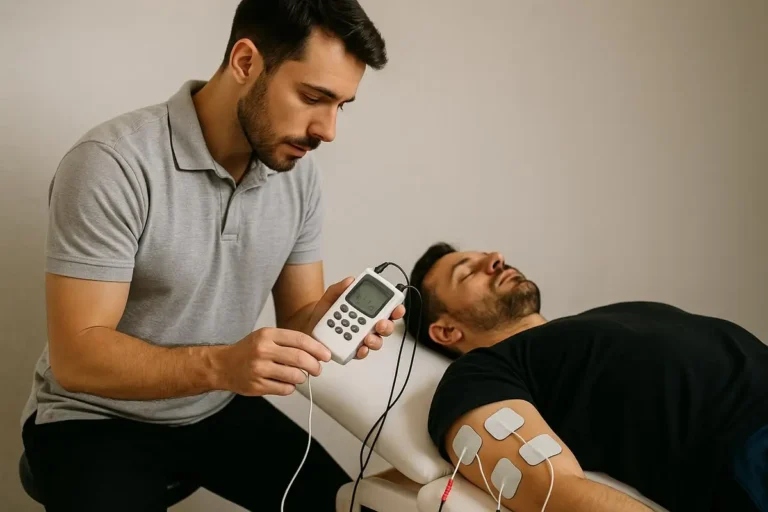
A TENS unit is a small battery-powered device that sends mild electrical pulses through adhesive pads on your skin to reduce pain. TENS stands for transcutaneous electrical nerve stimulation.
The leading explanation is the gate control theory of pain. Stimulating large sensory nerve fibers (A-beta fibers) with a non-painful tingle is thought to “close the gate” on pain signals traveling to the brain. Low-frequency stimulation is also linked to the release of the body’s own opioids. Researchers still do not fully understand the mechanism.
Two stimulation styles matter for nerve pain:
- High-frequency TENS (about 80–100 Hz or more): a steady buzzing tingle, below the level of muscle contraction.
- Low-frequency TENS (about 2–4 Hz): a slower tapping pulse, often at a stronger intensity.
Neither style has been proven better for neuropathic pain. Some trials combine both in one session, which is a strong reason to buy a unit that offers both.
Does TENS Actually Work for Nerve Pain? What the Research Says
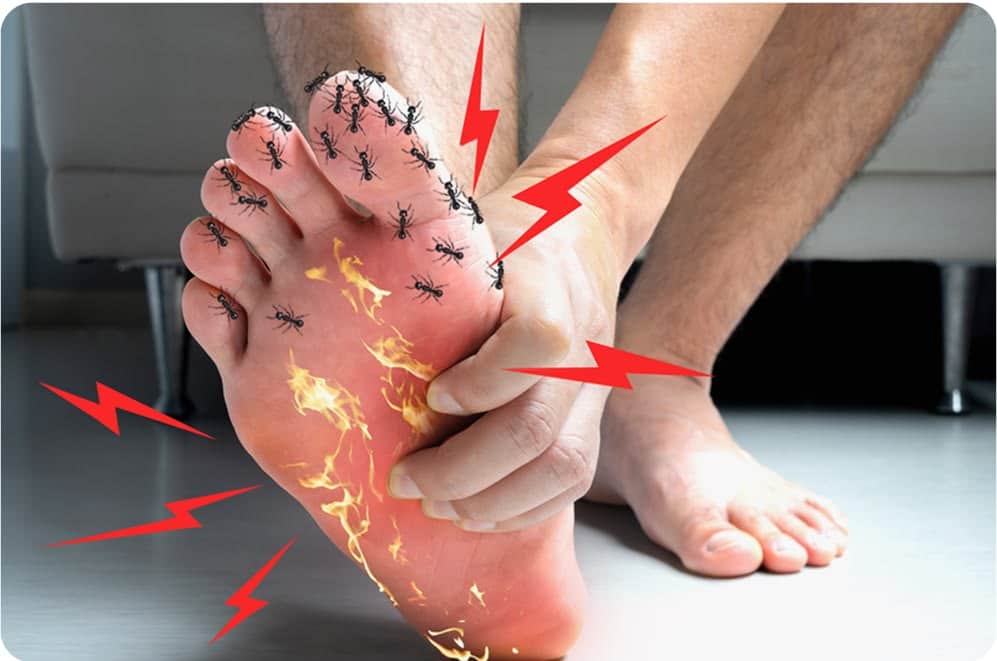
TENS works best-documented for diabetic peripheral neuropathy; for neuropathic pain as a whole, the evidence is too weak to call. Here is how the major reviews line up:
| Review | Condition | Finding |
| Tseng et al., J NeuroEng Rehabil (2025) — network meta-analysis, 15 RCTs, 1,139 people | Diabetic neuropathy | TENS was the only non-invasive stimulation method that significantly reduced pain and sleep disruption vs control; trials were short |
| Stein et al., Braz J Phys Ther (2013) — meta-analysis, 12 studies | Diabetic neuropathy | TENS reduced pain more than placebo; electromagnetic field therapy did not |
| American Academy of Neurology assessment (2010) | Diabetic neuropathy; chronic low back pain | TENS is “probably effective” for diabetic neuropathy pain (modest effect); ineffective for chronic low back pain |
| Cochrane review, Gibson et al. (2017) — 15 studies, 5 pooled | Neuropathic pain of many causes | Evidence quality very low; impossible to say confidently whether TENS beats sham TENS |
What this means for you: if your nerve pain comes from diabetes and sits in your feet or lower legs, TENS is a reasonable, low-risk thing to try alongside your treatment plan. For sciatica and pinched nerves, postherpetic neuralgia, or chemotherapy-induced neuropathy, treat it as a trial-and-see tool, not a proven therapy.
One more point most product lists skip: TENS relief tends to last while you use it and for a while after, not permanently. It manages symptoms; it does not repair nerves.
7 Features That Make a TENS Unit Good for Nerve Pain
Use this checklist to compare any device, whatever the brand.
1. Manual control of frequency, pulse width and intensity
This is the single most important feature. Many budget units offer 20–24 named “modes” (massage, knead, scraping) with no way to see or change the frequency. Clinical protocols specify exact numbers, so you want a unit that shows and adjusts them.
2. Two independent channels
Nerve pain is often bilateral — both feet, both legs. Two channels let you treat both sides at once, each at its own intensity, because one foot may feel the current more than the other.
3. Fine intensity steps
Neuropathy can make sensation unpredictable. A unit that jumps in large increments can go from “nothing” to “too strong” in one press. Look for many small steps and a clear display of the level.
4. Electrodes that fit your pain area
Feet and ankles need smaller pads or dedicated foot electrodes; the lower back and thigh suit larger ones. Check that replacement pads are easy to buy, since reusable pads lose stickiness with repeated use.
5. Treatment timer and auto-shutoff
A timer keeps sessions consistent and prevents overuse. Auto-shutoff also stops stimulation if a pad lifts off.
6. Rechargeable vs disposable batteries
Rechargeable units cost less to run if you use TENS daily. Battery-powered units (often a 9-volt) are simpler and easy to keep running when traveling.
7. FDA clearance — and what it is cleared for
In the US, TENS units are Class II devices cleared through the FDA’s 510(k) process. Most over-the-counter units are cleared only for temporary relief of sore and aching muscles from exercise or household strain. Indications such as “chronic intractable pain” usually come with prescription-use clearance, as with the clinic-grade devices in our Nexwave TENS unit review. You can look up any device’s clearance in the FDA 510(k) database by name.
Best TENS Units for Nerve Pain by Use Case
The best TENS unit for nerve pain depends on where your pain is and how much control you want. Instead of a single “winner,” match the device type to your situation:
| Use case | Device type | Example models | Why it fits | Trade-off |
| Most people with foot or leg neuropathy | Manual dual-channel TENS | TENS 7000 (2nd Edition) | Adjustable rate, pulse width and amplitude; two channels; used as the device in a registered clinical trial protocol | Wired leads; dial-based controls feel dated |
| Foot-focused pain | Foot-pad TENS | Omron electrotherapy TENS units with foot accessories | Built around placing electrodes on the soles | Fewer adjustable parameters |
| Constant leg pain, including at night | Wearable calf-worn stimulator | Quell (now owned by electroCore) | Worn on the upper calf; designed for lower-extremity chronic pain; app-controlled | Higher upfront and supply cost; check current availability and indication |
| Lower back with radiating leg pain (sciatica) | Wireless pad TENS | iReliev Wireless, HiDow wireless units | No wires to snag; easy to wear under clothes | Fewer manual settings; pads may be pricier |
Not sure which retailer to trust? See where to buy a TENS unit that really works, or answer a few questions in our Pain Relief Finder. As an Amazon Associate, we earn from qualifying purchases — see our affiliate disclosure.
Starter TENS Settings for Neuropathy
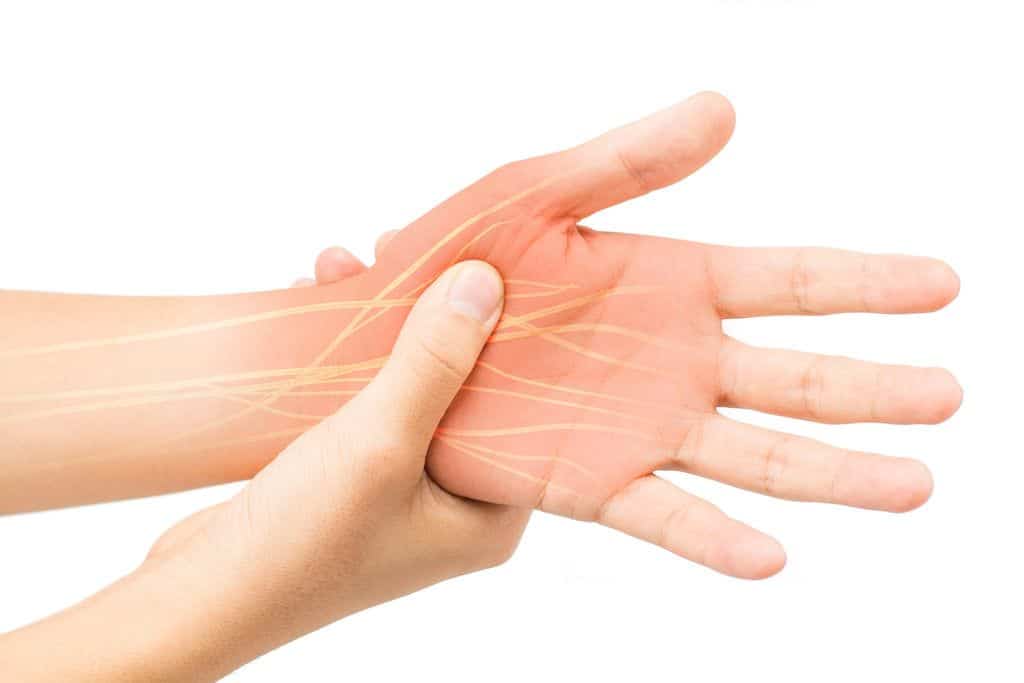
Use your manual’s instructions first. As a reference point, one registered trial for neuropathic pain after spinal cord injury used 15 minutes of high-frequency TENS (80 Hz, 200 µs) followed by 15 minutes of low-frequency TENS (4 Hz, 200 µs), alternating the order each session.
A practical way to start:
- Turn the unit off before placing or moving pads.
- Set a moderate pulse width (around 150–200 µs) and a high frequency (80–100 Hz).
- Raise intensity slowly until you feel a strong but comfortable tingle — never pain or muscle twitching.
- Run 20–30 minutes, then try a low-frequency session (2–4 Hz) on another day to compare.
- Track your pain score (0–10) before and after each session for two to four weeks.
Your nerves can adapt to a steady signal, so the tingle fades over a session. This is called accommodation. Units with modulation modes, or switching between high and low frequency, help reduce it.
Where to Place TENS Pads for Nerve Pain?
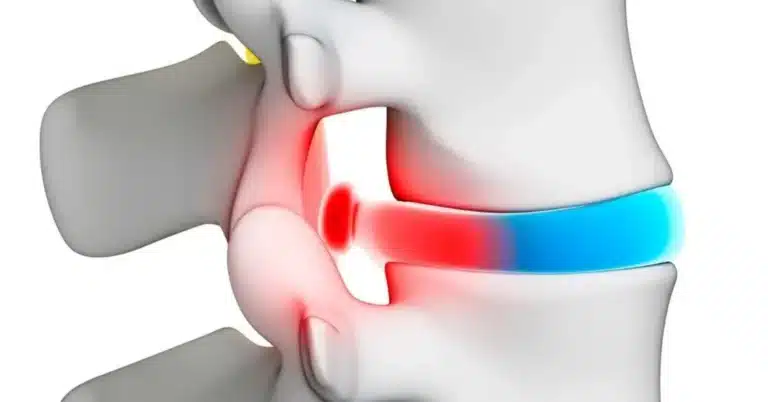
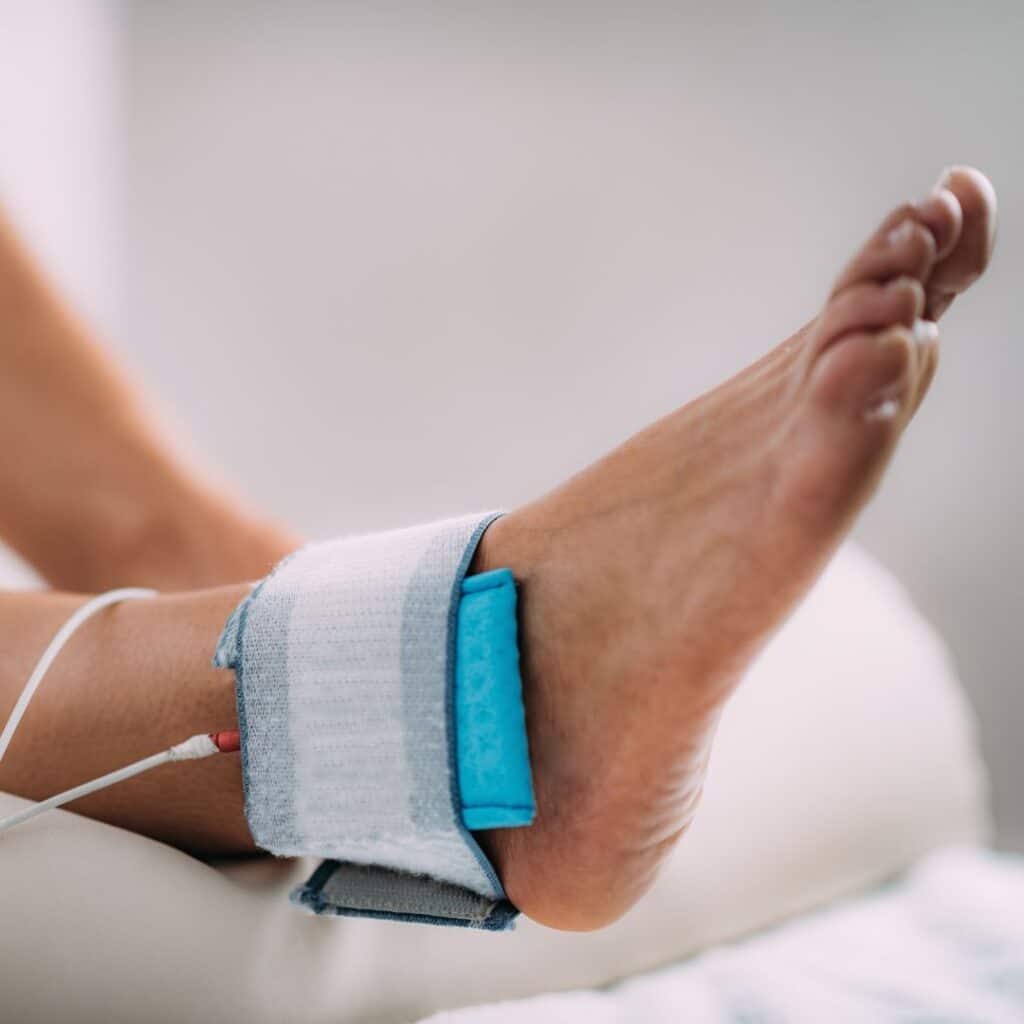
Place pads around or along the painful area, never directly on broken skin. For diabetic neuropathy, common placements are the top of the foot, the sole, and the calf on the same leg. For sciatica, pads usually go on either side of the lower back (not over the spine itself) and along the back of the thigh.
Here is where most people get this wrong: if you have reduced feeling in your feet, you may not notice skin irritation or a pad that is too strong. Check your skin after every session. If you cannot feel the stimulation at all in an area, place pads higher on the leg where sensation is intact, and ask your clinician about it.
Who Should Not Use a TENS Unit?
TENS is low-risk for most adults, but some situations rule it out or require a doctor’s approval first:
- Pacemaker, implanted defibrillator (ICD), or other implanted stimulator — TENS can interfere with demand-type pacemakers.
- Epilepsy.
- Pregnancy — unless a clinician directs use (for example, for labor pain).
- Severe loss of sensation in the treatment area.
Never place pads on the front of the neck, over the eyes, on opposite sides of the head, across the chest (front to back), directly over the spine, or near an implanted device. Do not use TENS while driving, operating machinery, bathing, or asleep unless the device is specifically designed and cleared for sleep use.
FAQ
Is a TENS unit good for nerve pain?
It can help some people, especially with diabetic neuropathy, where several meta-analyses found TENS reduced pain more than sham treatment. For neuropathic pain overall, a 2017 Cochrane review rated the evidence very low quality, so results vary widely from person to person.
What TENS setting is best for neuropathy?
No single setting is proven best. Trials have used both high frequency (80–100 Hz) and low frequency (2–4 Hz), often at a pulse width near 200 µs, with intensity set to a strong but comfortable tingle. Try each for a few sessions and track your pain scores.
Can I use a TENS unit on my feet for neuropathy?
Yes, foot and lower-leg placement is common for diabetic neuropathy. If your feet have reduced sensation, check the skin after each session and consider placing pads higher on the leg where you can still feel the current.
How long can I use a TENS unit for nerve pain each day?
Most manuals suggest sessions of about 20–60 minutes, several times a day if needed, with breaks for the skin. Follow your device’s manual and your clinician’s advice, since limits differ by model.
Is TENS or EMS better for nerve pain?
TENS targets sensory nerves to reduce pain; EMS makes muscles contract and is meant for muscle performance. For nerve pain, TENS is the relevant mode. Many combo units offer both. For muscle-focused devices, see our guide to the best NMES unit for home use.
Who should not use a TENS unit?
People with a pacemaker, implanted defibrillator or other implanted stimulator, people with epilepsy, and pregnant women unless directed by a clinician. Pads should never go on the front of the neck, across the chest, over the eyes, or directly over the spine.
The Bottom Line
For nerve pain, buy control, not modes: a dual-channel TENS unit with adjustable frequency, pulse width and fine intensity steps gives you the best chance of finding settings that work. The evidence is most encouraging for diabetic neuropathy, so set expectations, track your results for a few weeks, and keep your doctor in the loop.
Sources
- Cochrane: TENS for neuropathic pain in adults (2017)
- AAFP summary of the AAN assessment on TENS (2010)
- Stein et al. meta-analysis, diabetic neuropathy (2013) — PubMed
- Tseng et al. network meta-analysis (2025) — EMJ summary
- StatPearls: Transcutaneous Electrical Nerve Stimulation
- TENS trial protocol for neuropathic pain in SCI (ClinicalTrials.gov NCT03267810)
- electroCore acquisition of NeuroMetrix and Quell — Fierce Biotech