
Ever wondered what TENS unit stands for when your doctor or physiotherapist mentions it? It’s not just another tech acronym — it’s a powerful, drug-free method of pain relief used worldwide. Whether you’re dealing with chronic back pain or post-workout soreness, understanding what a TENS unit is can help you take control of your recovery with confidence and clarity.
What is transcutaneous electrical nerve stimulation (TENS)?
Transcutaneous Electrical Nerve Stimulation (TENS) is a non-invasive, drug-free method for pain relief. It works by delivering low-voltage electrical pulses through the skin using small adhesive pads connected to a portable device called a TENS unit.
These electrical signals stimulate the nerves underneath the skin, which can help:
- Block pain signals from reaching the brain
- Trigger the release of endorphins (your body’s natural painkillers)
- Improve blood circulation in the targeted area
TENS therapy is commonly used for:
- Back and neck pain
- Arthritis
- Muscle soreness or recovery
- Sciatica and nerve pain
- Post-surgical or injury-related discomfort
Safe for most people, TENS is often recommended by physical therapists, chiropractors, and pain management specialists — and many modern units are small enough to use at home or on the go.
what does tens unit stand for?
TENS unit stands for Transcutaneous Electrical Nerve Stimulation unit. Let’s break that down:
- Transcutaneous means “through the skin”
- Electrical refers to low-voltage electrical impulses
- Nerve Stimulation means it targets the nerves to reduce pain signals
So, a TENS unit is a device that sends gentle electrical pulses through the skin to stimulate nerves for pain relief. It doesn’t involve needles, surgery, or medication — just small electrode pads placed on the skin in the area where you feel discomfort.
The main goal of a TENS unit is to either block pain signals from reaching your brain or to encourage your body to release natural painkillers like endorphins. It’s widely used for chronic pain, sports injuries, arthritis, and post-operative recovery.
Whether you’re in physical therapy or managing pain at home, knowing what TENS unit stands for helps you understand how and why it works.
TENS machine benefits
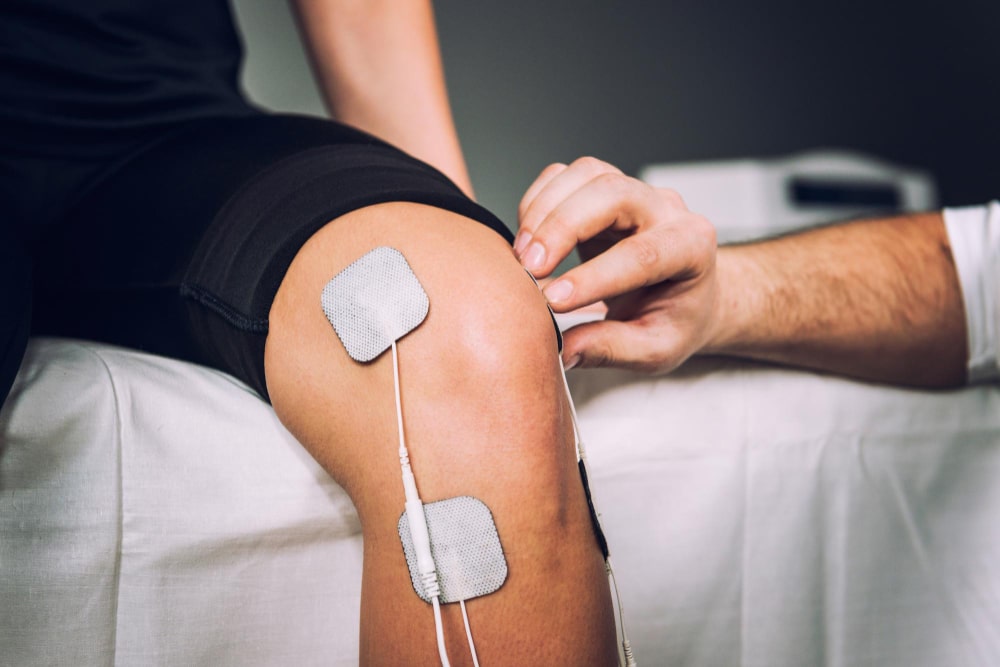
Using a TENS machine offers a range of natural, non-invasive benefits — especially for people managing chronic or acute pain.
Top benefits of TENS therapy include:
- Drug-free pain relief – Ideal for those who want to avoid or reduce painkillers.
- Muscle relaxation – Helps ease muscle tension, spasms, or tightness.
- Improved mobility – Reducing pain can help restore normal movement during recovery.
- Endorphin boost – Stimulates the body’s natural “feel good” hormones for lasting relief.
- Custom control – Users can adjust pulse intensity, frequency, and placement based on their needs.
- Portable and convenient – Compact units can be used at home, work, or during travel.
It’s often recommended for arthritis, sciatica, sports injuries, fibromyalgia, and back or neck pain. While TENS isn’t a cure, it offers safe, targeted pain management when used properly.
TENS machine side effects
While TENS machines are generally safe and well-tolerated, there are a few side effects and precautions to keep in mind — especially with improper use or sensitive skin.
Possible side effects include:
- Skin irritation or redness – Often caused by wearing electrode pads too long or not cleaning the skin before use.
- Muscle twitching – If intensity is set too high, it may cause uncomfortable muscle contractions.
- Headaches or dizziness – Rare, but may occur if used near the neck or head.
- Allergic reactions – Some users may react to the adhesive or gel on electrode pads.
Avoid TENS use if you:
- Have a pacemaker or implanted electrical device
- Are pregnant (unless advised by a doctor)
- Have epilepsy or certain heart conditions
Always follow manufacturer instructions and consult a healthcare provider before starting TENS therapy — especially if you have existing medical conditions.
Does a TENS unit promote healing?
A TENS unit is primarily designed for pain relief, not direct tissue healing — but it can play a helpful role in the overall healing process.
Here’s how:
- Reduced pain allows you to move more freely, which improves circulation — essential for healing.
- Muscle relaxation from electrical stimulation can ease tension and reduce inflammation.
- Improved blood flow (from low-frequency settings) may support oxygen and nutrient delivery to injured tissue.
However, it’s important to note:
- TENS does not repair tissue or heal injuries directly.
- It works best as a supportive therapy alongside physical rehab, rest, or medical treatment.
In summary, a TENS unit doesn’t “heal” on its own — but by managing pain and improving mobility, it creates better conditions for natural recovery. For active healing, your doctor may recommend alternatives like EMS (Electrical Muscle Stimulation) or physical therapy.
Does a TENS unit relax muscles?
Yes, a TENS unit can help relax muscles — especially those that are tight due to pain, tension, or overuse. While TENS is primarily used for nerve stimulation and pain relief, its gentle electrical pulses can indirectly encourage muscles to loosen up.
Here’s how it works:
- Pain reduction: Less pain allows the body to release tension held in surrounding muscles.
- Endorphin release: These natural chemicals promote both pain relief and relaxation.
- Mild stimulation: The rhythmic pulses can mimic massage-like effects, easing muscle stiffness.
However, if your goal is direct muscle stimulation or recovery, you might benefit more from an EMS (Electrical Muscle Stimulation) device, which targets muscle contraction and strengthening.
In short, TENS units help muscles relax by interrupting pain signals and encouraging natural relaxation responses — making them ideal for managing sore, tense, or overworked muscles.
Can TENS unit cause heart attack?
In general, a TENS unit does not cause heart attacks in healthy individuals when used correctly. It’s considered a safe, non-invasive tool for managing pain. However, certain people should avoid TENS therapy, especially those with pre-existing heart conditions.
Key precautions:
- Never place electrodes near the chest or heart area, especially on both sides of the chest at once.
- Do not use a TENS unit if you have a pacemaker, defibrillator, or other implanted cardiac device — the electrical signals could interfere with function.
- Consult a doctor before using TENS if you have a known heart rhythm disorder, recent heart attack history, or unexplained chest pain.
Used responsibly and on approved body areas, TENS therapy is safe for most users. But if you have cardiovascular concerns, always speak with your physician first to avoid potential risks.
Can TENS machine make pain worse?
In most cases, a TENS machine helps reduce pain, but in rare situations, it can make pain feel worse — usually due to incorrect usage.
Here are common reasons it may cause discomfort:
- Electrodes placed on the wrong area (e.g., too close to nerves or over inflamed skin)
- Intensity set too high, causing sharp or unpleasant sensations
- Worn-out pads or poor contact, leading to uneven stimulation
- Prolonged use without breaks, irritating the skin or causing muscle fatigue
Also, some people with nerve sensitivity or certain chronic pain conditions may find that stimulation aggravates their symptoms instead of soothing them.
If TENS seems to make your pain worse, stop using it immediately and consult your doctor or physical therapist. Often, adjusting pad placement or intensity settings can solve the problem.
Can you overuse a TENS unit?
Yes, you can overuse a TENS unit — and while it’s generally safe, excessive or improper use can lead to skin irritation, muscle soreness, or reduced effectiveness over time.
Most guidelines recommend using a TENS unit for 20–30 minutes per session, up to 2–3 times per day. Longer sessions may be safe depending on your condition, but should only be done under medical advice.
Signs of overuse include:
- Skin redness or burning where the pads were placed
- Tingling or numbness that lingers after removal
- Increased muscle fatigue or soreness
- Diminished pain relief effect
To avoid overuse:
- Always follow your device’s instructions
- Move electrode pads between sessions
- Give your skin breaks between uses
- Consult a healthcare provider if you’re using it daily
Used properly, TENS can be a powerful tool. Overused, it may cause more problems than it solves.
How high should I set my TENS unit?
The intensity setting on a TENS unit should be high enough to feel effective — but never painful. The ideal level depends on your comfort, the area being treated, and your treatment goals.
Here’s a general guide:
- For mild pain relief or sensitive areas (like the neck or behind the knee), start low — around 2–4 on the dial or 10–20 Hz in frequency.
- For muscle tension or chronic pain, moderate intensity (4–7) is often more effective.
- For acute pain, some people benefit from short bursts of higher intensity (7–9), as long as it doesn’t cause discomfort.
You should feel a strong but comfortable tingling or pulsing, not stabbing, stinging, or twitching (unless you’re using EMS, not TENS).
If in doubt, start low and increase slowly. Always follow your device’s manual or ask your doctor or physiotherapist for a recommended range.
What does a TENS unit do for the body?
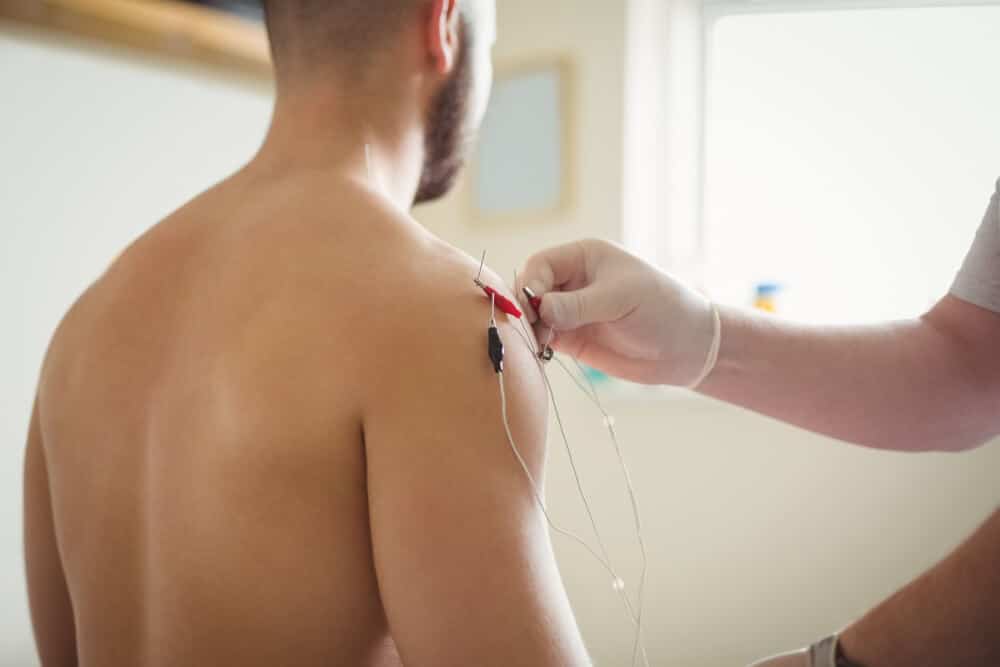
A TENS unit (Transcutaneous Electrical Nerve Stimulation) helps the body manage pain naturally by delivering low-voltage electrical pulses through the skin to stimulate nerve endings.
Here’s what it does for the body:
- Blocks pain signals from reaching the brain, reducing the sensation of pain.
- Triggers endorphin release, which are the body’s natural painkillers.
- Relaxes tight muscles by reducing nerve-driven tension.
- Improves circulation in the targeted area, helping ease inflammation and discomfort.
- Supports mobility by reducing pain enough to move and stretch without strain.
It’s commonly used for back pain, arthritis, sports injuries, sciatica, and post-surgical recovery. While it doesn’t “cure” conditions, it gives the body a chance to function with less pain — often allowing users to cut back on medication or avoid more invasive treatments.
FAQ
Is a TENS unit safe to use daily?
Yes, TENS units are safe for daily use when used as directed. However, avoid using it for extended periods or on the same skin spot too often.
Where should I not place TENS pads?
Avoid placing pads on the head, throat, chest (near the heart), directly over the spine, or broken/irritated skin.
Can I sleep with a TENS unit on?
It’s not recommended. You may not feel if the intensity becomes too strong, which can lead to irritation or muscle fatigue.
Can I use a TENS unit if I have a pacemaker?
No. TENS units are not safe for anyone with a pacemaker or implanted electrical device.
Conclusion
Understanding what a TENS unit does — and how to use it safely — can be a game-changer for anyone managing chronic or acute pain. Whether you’re recovering from injury, living with arthritis, or simply dealing with everyday muscle tension, TENS offers a non-invasive, drug-free option that supports your body’s natural ability to feel better.
It’s simple to use, widely accessible, and adaptable to your specific needs. Just remember: correct pad placement, proper intensity settings, and safe usage are key to getting the best results. And when in doubt, consult your doctor or physiotherapist.
TENS isn’t magic — but for many, it’s the missing link in long-term pain management and recovery.