
Looking for the best NMES unit for home use to improve muscle strength, recovery, or rehabilitation? Neuromuscular Electrical Stimulation (NMES) devices are no longer just for physical therapy clinics — now, they’re compact, affordable, and incredibly effective for home use. Whether you’re recovering from injury, managing muscle loss, or boosting athletic performance, the right unit can make all the difference in your results.
Best nmes unit for home use
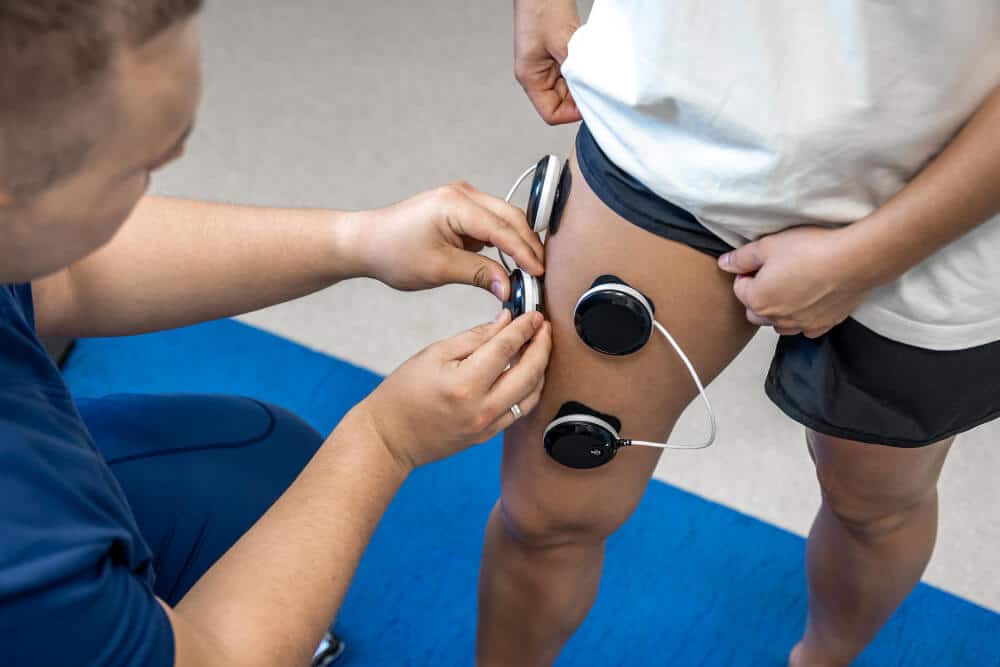
Choosing the best NMES unit for home use depends on your goals — whether it’s rehab, strength training, or recovery. NMES (Neuromuscular Electrical Stimulation) targets muscle fibers to improve tone, circulation, and function.
Here are three top-rated NMES units for home users:
1. Compex Sport Elite 3.0
- Best for: Athletes & advanced users
- Key features:
- 10+ programs including strength, resistance, recovery, and warm-up
- Targets Type I & Type II muscle fibers for full muscle engagement
- Rechargeable battery, backlit screen, and durable build
- Why choose it?
This unit mimics high-level sports rehab equipment, making it perfect for serious fitness routines, injury recovery, or strength training at home.
2. iSTIM EV-805
- Best for: Budget-conscious users who want both TENS and NMES
- Key features:
- Dual functionality (TENS + NMES)
- 24 pre-set programs with adjustable intensity
- LCD screen, timer, and 4-channel output
- Why choose it?
Great for managing pain and rebuilding muscle strength simultaneously — excellent value for home therapy without complexity.
3. PowerDot 2.0 Duo
- Best for: Tech-savvy, on-the-go users
- Key features:
- Wireless, app-based control (via smartphone)
- Custom session recommendations based on activity level
- Compact, travel-friendly design
- Why choose it?
Offers a modern, intuitive experience with personalized programs — ideal for active people, frequent travelers, or casual recovery use.
Adjustability and Modes
When choosing the best NMES unit for home use, adjustability and built-in modes are key to getting safe, effective, and personalized results.
Adjustability refers to how much control you have over:
- Intensity levels (how strong the stimulation feels)
- Pulse width and frequency (how deep and fast the stimulation penetrates)
- Session time and ramp-up speed (for comfort during contractions)
Modes are pre-set or customizable programs designed for different goals:
- Muscle strengthening – high intensity for contracting larger muscle groups
- Recovery/massage – lower frequency to reduce soreness
- Re-education – for rehab after injury or surgery
- Warm-up – light pulses to prep muscles before activity
Top-tier units like Compex Sport Elite or PowerDot offer 10+ targeted modes with fine-tuned control, while budget models like iSTIM EV-805 still provide solid flexibility for home users.
Accessibility
Accessibility is a big factor when using an NMES unit at home — especially if you’re new to electrotherapy, recovering from surgery, or have limited mobility. A user-friendly device should be easy to set up, operate, and adjust without professional help.
Here’s what to look for:
- Clear display & buttons – Large screens and simple menus are crucial for older adults or first-time users.
- Pre-set programs – These eliminate guesswork; just select your goal (e.g., strengthen, recover, relieve pain) and go.
- Wireless options – Like the PowerDot 2.0, which connects via app — great for people with limited range of motion or on the go.
- Quick-start guides & app support – Especially helpful if you’re using the device without professional supervision.
Devices like iSTIM EV-805 are affordable yet accessible, while Compex and PowerDot cater to users who want modern, guided control.
Battery Life
Battery life matters more than you think — especially if you plan to use your NMES unit regularly at home or while traveling. A reliable battery means uninterrupted sessions, fewer recharges, and more freedom in how and where you use your device.
Here’s how the top units compare:
- Compex Sport Elite 3.0 – Comes with a rechargeable lithium battery, lasting up to 8–12 sessions per full charge depending on intensity. Great for daily training routines.
- iSTIM EV-805 – Uses standard replaceable AA batteries. Convenient if you prefer easy swaps over charging, though battery cost adds up over time.
- PowerDot 2.0 Duo – Fully wireless with a USB-rechargeable battery, offering up to 20 sessions per charge. Ideal for active users who value portability.
Pro tip: Always check if your unit has a low-battery indicator or auto shut-off to protect both your sessions and your device.
Comfort
Comfort is key when using an NMES unit at home — because if it feels unpleasant, you’re less likely to use it consistently (or correctly). A high-quality unit balances effective stimulation with a comfortable experience, even during longer sessions.
What makes an NMES unit more comfortable?
- Smooth pulse transitions – Look for units with adjustable ramp-up/ramp-down speeds to avoid sudden jolts.
- Flexible intensity levels – You should feel a strong but not painful contraction.
- Quality electrode pads – Reusable gel pads that stick well and distribute current evenly reduce the chance of irritation.
- Body-specific programs – Some units offer settings tailored to muscle groups, like shoulders or quads, which improves comfort and performance.
For example, Compex and PowerDot are known for smoother, more refined stimulation, while budget units like iSTIM still offer solid comfort if pads are placed correctly.
How we choose best nmes unit for home use?
When selecting the best NMES unit for home use, we focused on features that matter most to real users — from beginners to athletes. Here’s how we made our picks:
1. Effectiveness – We prioritized units with proven performance for muscle stimulation, strength building, and recovery.
2. Ease of Use – Devices had to be user-friendly, with clear settings, intuitive controls, and helpful guides or app support.
3. Adjustability – We looked for units with multiple modes, intensity levels, and custom settings for different body areas.
4. Comfort & Safety – Smooth electrical pulses, quality pads, and safety features like timers or auto shut-off were must-haves.
5. Battery & Portability – Rechargeable batteries or long-lasting power options scored higher for convenience.
6. Value for Money – Whether budget or premium, each unit had to deliver reliable results for its price point.
Read:
Best nmes unit for physical therapy
For rehab and recovery, the best NMES unit for physical therapy should deliver clinical-grade performance with the safety and simplicity needed for at-home use. These three options stand out:
1. Compex Edge 3.0
- Designed for recovery, endurance, and strength-building
- Ideal for post-surgery rehab or sports injuries
- Offers precise control and targeted muscle programming
2. iSTIM EV-805
- Budget-friendly TENS + NMES combo unit
- Includes rehab-focused modes like muscle re-education and atrophy prevention
- Great for home users recovering from injury or surgery
3. NeuroMD Corrective Therapy Device
- Doctor-developed unit targeting lower back and core muscle imbalances
- Pre-set clinical programs — no guesswork required
- Especially helpful for chronic pain and long-term recovery
Each unit supports muscle activation, circulation, and neuromuscular re-education, making them effective tools for continuing physical therapy at home.
Best muscle stimulator for pain relief
Looking for the best muscle stimulator for pain relief? While many devices focus on muscle building, the top choices for pain management combine comfort, precision, and customizable settings. Here are three standout options:
1. iReliev TENS + EMS System
- Combines TENS (for pain relief) and EMS (for muscle support)
- 25 intensity levels and 14 programs
- Portable, FDA-cleared, and highly rated for chronic pain
2. Auvon Dual Channel TENS Unit
- Affordable, compact, and beginner-friendly
- Includes multiple electrode sizes and massage-like modes
- Ideal for back, neck, shoulder, or joint pain
3. Compex Mini Wireless TENS/EMS
- App-controlled and sleek
- Offers both recovery and pain-relief modes
- Perfect for tech-savvy users or athletes on the go
All three provide non-invasive, drug-free relief from common conditions like sciatica, arthritis, and muscle soreness.
nmes vs tens
NMES vs. TENS — while they look similar, they serve different purposes in pain management and muscle therapy.
TENS (Transcutaneous Electrical Nerve Stimulation):
- Targets nerves, not muscles
- Used for pain relief by blocking pain signals and stimulating endorphin release
- Commonly used for arthritis, sciatica, back pain, and post-op recovery
- Gentle pulses, often feel like a tingling sensation
NMES (Neuromuscular Electrical Stimulation):
- Stimulates muscle contractions by activating motor nerves
- Used for muscle strengthening, rehab, and circulation
- Helps prevent atrophy after injury or surgery
- Stronger, rhythmic pulses that cause visible contractions
In summary:
- Use TENS for pain management
- Use NMES for muscle activation or recovery
Some advanced units combine both therapies for a well-rounded home treatment option.
What is the FDA approved NMES unit?
If you’re looking for a safe, reliable NMES unit, choosing one that’s FDA-approved ensures it meets quality, safety, and performance standards for at-home or clinical use.
Top FDA-approved NMES units include:
- iReliev TENS + EMS System – A dual-function device that’s FDA-cleared for both pain relief and muscle stimulation. It’s popular for post-injury recovery, arthritis, and muscle soreness.
- Compex Edge 3.0 / Sport Elite 3.0 – Widely used by athletes and physical therapists, these units are FDA-approved for muscle re-education, endurance, and rehabilitation.
- NeuroMD Corrective Therapy Device – FDA-cleared and doctor-designed, this wireless unit targets lower back pain using NMES for posture correction and muscle retraining.
When choosing an NMES unit, always check for “FDA-cleared Class II medical device” on the packaging or official website. This means the product is approved for consumer use under FDA medical device guidelines.
Can you use NMES at home?
Yes, you can safely and effectively use NMES at home — and it’s becoming a popular way to support recovery, rehab, and muscle conditioning without clinic visits. Many FDA-approved NMES units are now designed for consumer use, offering pre-set programs, adjustable intensity, and clear instructions.
Common at-home uses include:
- Post-surgery muscle re-education
- Preventing muscle atrophy during injury recovery
- Enhancing blood flow and mobility in sedentary individuals
- Strengthening weakened muscles in aging adults or after immobilization
Modern NMES devices like Compex, PowerDot, and iReliev are compact, user-friendly, and even wireless — making home use convenient and accessible. However, correct pad placement, intensity settings, and session timing are essential for safety and results.
If you have a medical condition, always check with a healthcare provider before starting NMES therapy at home.
What is the most powerful tens unit for home use?
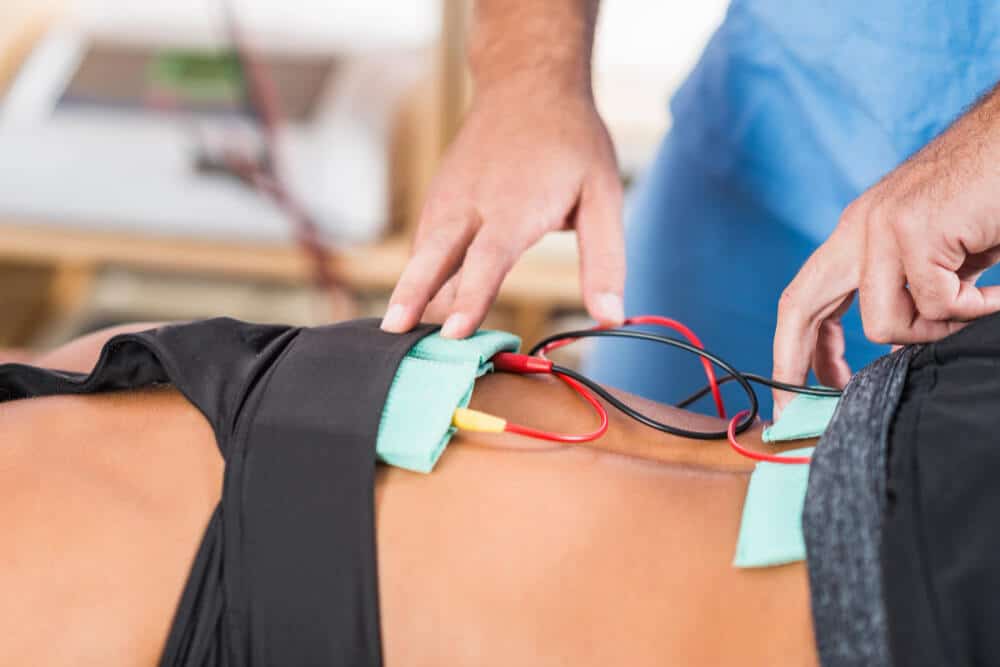
If you’re searching for the most powerful TENS unit for home use, look for a device that offers high-intensity output, multiple channels, and medical-grade features — all while being safe and user-friendly.
Top contender: Compex Mini Wireless TENS/EMS
- Combines TENS and EMS with strong, adjustable intensity
- Wireless and app-controlled with customizable programs
- Offers clinical-level stimulation for pain relief and recovery
- Ideal for athletes or users who need deeper nerve targeting
Runner-up: iReliev TENS + EMS System
- Dual-channel device with 25 intensity levels
- Highly effective for both chronic pain and muscle recovery
- FDA-cleared, easy to use, and strong enough for therapeutic use
While both units are powerful, Compex stands out for its deeper muscle and nerve penetration, making it a top choice for those needing serious relief at home.
FAQ
What’s the difference between TENS and NMES?
TENS targets nerves for pain relief, while NMES stimulates muscle contractions to build strength or aid recovery.
Can I use a TENS or NMES unit every day?
Yes — most people can use these devices daily, as long as you follow usage guidelines and give your skin rest between sessions.
Are TENS/NMES units safe to use without a doctor?
For general muscle soreness or pain relief, yes. However, if you have heart conditions, a pacemaker, or are recovering from surgery, consult your doctor first.
Do I need a prescription for a home unit?
Most FDA-cleared units are available without a prescription, but medical-grade devices may require one for insurance coverage.
Where should I place the electrodes?
Placement depends on the condition being treated. Always follow the included guide or consult a physiotherapist for accurate positioning.
Conclusion
Investing in the best NMES or TENS unit for home use can transform how you manage pain, recover from injury, or build muscle strength — all from the comfort of your own space. Whether you need targeted pain relief, post-surgical rehab, or muscle re-education, modern devices offer clinical-grade features in compact, user-friendly designs.
From powerful models like Compex and PowerDot to budget-friendly all-rounders like iReliev or iSTIM, there’s a device for every goal and budget. Just be sure to choose an FDA-cleared unit, follow usage guidelines, and consult a healthcare professional if you have underlying conditions.
With the right unit and proper setup, you can enjoy safer, smarter, and more consistent therapy — anytime you need it.